How Weather Affects Countertop Installation Timing
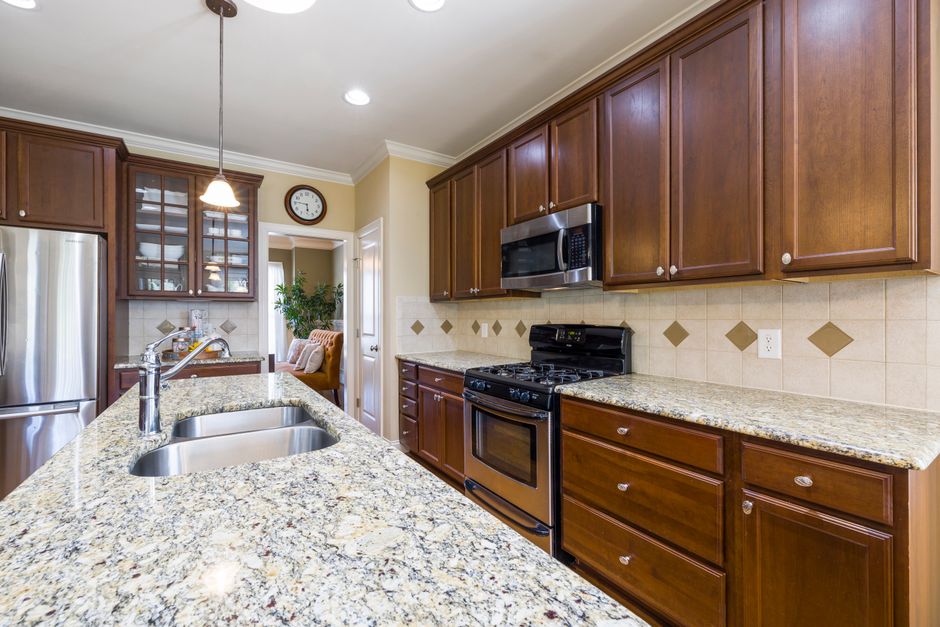
Most people pick an install week off the calendar and never ask what the forecast and the shop schedule will do to it. Weather moves the work around in Knoxville, TN, from slow cold seams in January to red clay mud in March, and the notes can be read on countertops knoxville apaperproposal, laid out in order for anyone planning new countertops. The weather only gets a vote once the stone is cut and ready to go.
Shop time sets the date
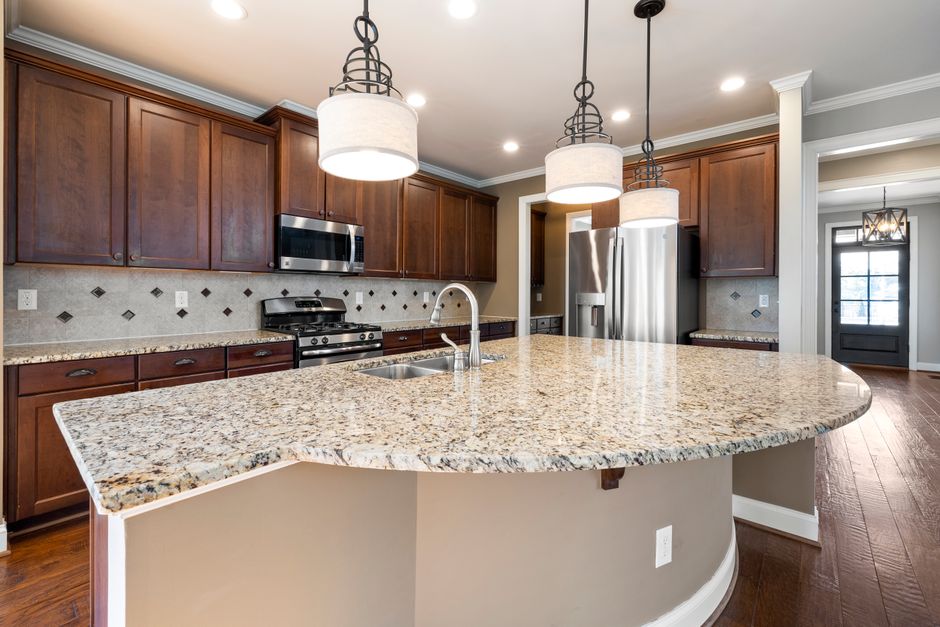
Templating usually happens first and fabrication follows, so the install date depends on shop time, not just on the weather. A granite or quartz slab is cut only after the template is checked against the cabinets. A remnant job can move faster than a full slab order, but it still waits its turn at the saw. A clear forecast does not pull a date forward if the shop has not reached the job.
Cold weather and seams
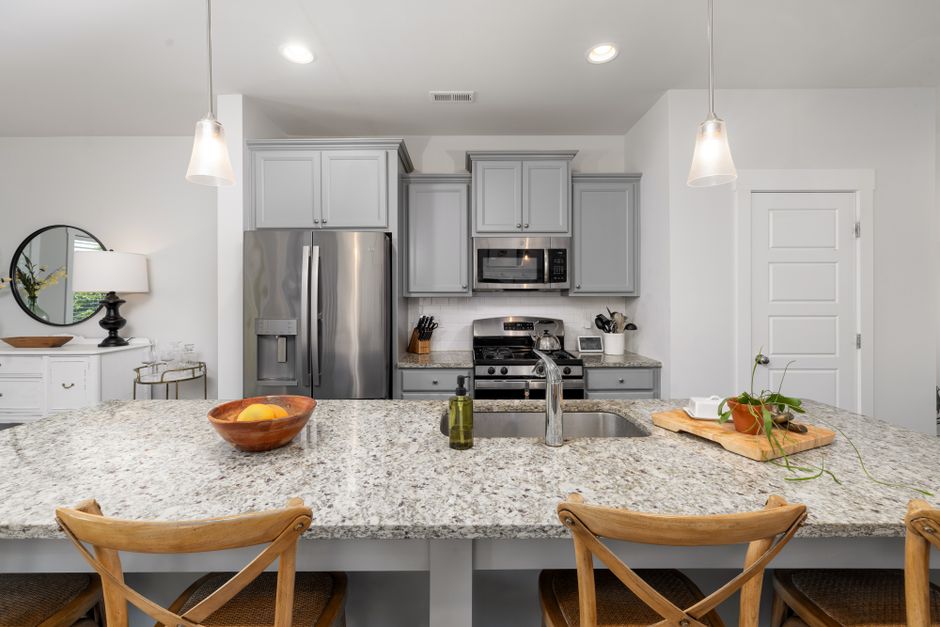
Epoxy and polyester seam adhesives cure more slowly in cold temperatures, so a heated home helps seams set properly. Winter installs are fine with the heat on. Seam placement on a long quartz run is decided with that in mind, and the joint gets a gentle first day. Seams are not fully cured the moment installers leave, so no heavy pots get dragged across them.
Rain, mud and clay
Adhesives and silicone bond best to clean, dry surfaces, so slabs wet from rain are dried before seaming or bonding. Heavy rain also makes sloped yards and red clay paths in Knox County slick and muddy, which makes carrying slabs riskier. A heavy piece of marble or quartzite going down a wet slope is a good reason to hold the job a day. A bullnose or waterfall edge piece is awkward on its best day and worse on mud.
Humid summers and wood tops
Running the home's air conditioning during humid summer weather keeps indoor moisture steadier for adhesives and wood tops. Butcher block should acclimate indoors before install so it is not fitted at an extreme of swelling or shrinking. Humidity does act on wood counters, so the board sits in the kitchen for a while before anyone checks the overhang or cuts the sink opening. Stone, laminate and solid surface care less about this, but the adhesive still prefers steady air.
Plan around the plumbing
Kitchen plumbing is often out of service from tear out until the sink is reconnected after install, which is worth planning around. A rain delay stretches that gap. Dishes, water for the coffee maker and a few days of takeout all need a plan before the old tops come off. Once the sink is back in and the silicone has had its time, the edge profile and the seams can be looked over in daylight, and the work is done properly.