What to Do With Old Countertops After a Remodel in Knoxville
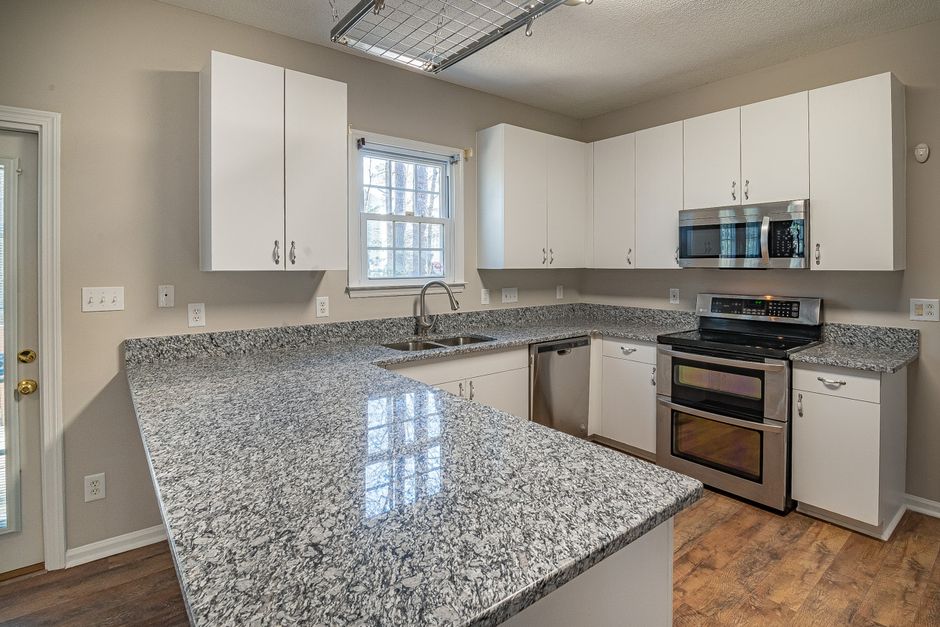
The best thing to do with old countertops after a remodel is to decide their fate before demolition starts: reuse the piece, repurpose it into something smaller, pass it on to someone who wants it, or haul it away as demolition debris. The choice depends mostly on the material, and it controls how the tops should be removed in the first place.
Decide Before Anyone Touches the Tops
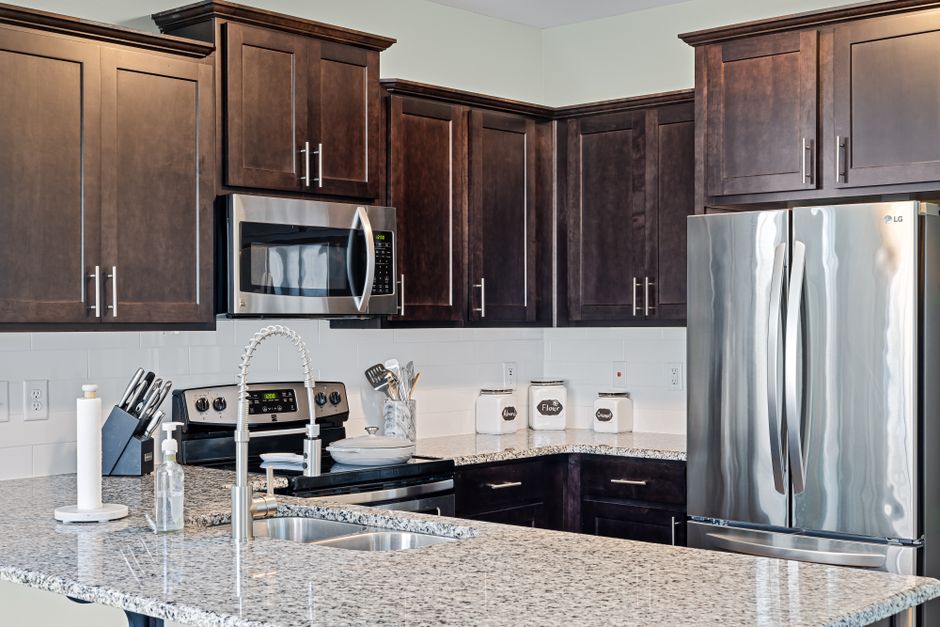
A top that is headed for the dumpster can be pried and broken out. A top you hope to save needs a slow, careful removal. Cut the caulk line along the backsplash and walls, unscrew the clips or brackets from inside the cabinets, and slice through the adhesive or silicone beads before anything is lifted.
Even with care, expect losses. Original seams were joined with epoxy or color-matched adhesive and often let go during removal. A big L-shaped run usually becomes several smaller pieces, so plan any reuse around the largest uncracked section rather than the original layout.
Record what you have
Write down the length, width, thickness (2 cm or 3 cm), edge profile, and the location of every cutout. Photograph the surface and any chips. Reuse outlets and buyers ask for this first, and the list shows which pieces can realistically become a vanity top or a desk.
Pull the sink first
An undermount sink is bonded to the stone with adhesive and clips. A stainless or cast iron sink is often worth more on its own and is easier to donate than the top it came out of. Remove faucets, soap dispensers, and plumbing before storing or listing anything.
Moving Stone Without Breaking It
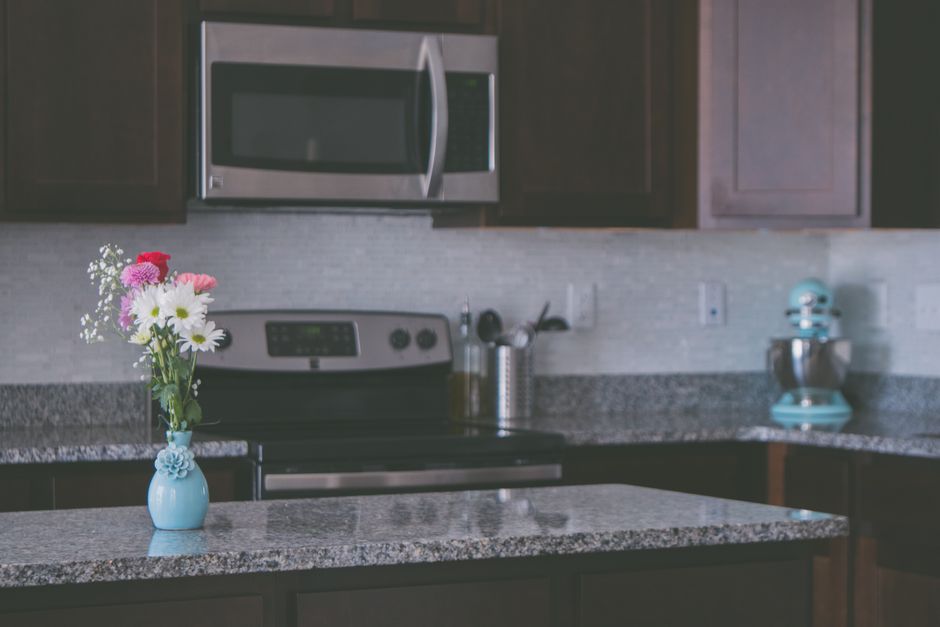
Granite, marble, and engineered stone crack most often at sink cutouts, cooktop cutouts, and the narrow strips in front of or behind a sink. Carried flat, they can snap under their own weight. Carry slabs on edge, and use A-frame carts or padded boards.
Weight matters too. A 3 cm granite or engineered stone top weighs roughly 18 to 20 pounds per square foot, so a large Kitchen island piece needs several people or a slab dolly. Never let one person lift a long piece by one end.
Stone Tops: Granite, Marble, and Engineered Stone
Old stone is not automatically valuable. Stone tops with cutouts, chips, or cracks are a hard sell, and many reuse outlets are selective. Treat resale as a bonus, not a plan.
Keep cutting off site
Engineered stone, sold under brands such as Cambria, contains a high proportion of crystalline silica, which is silicon dioxide. Dry cutting, grinding, or polishing it releases respirable dust that causes silicosis, an irreversible lung disease. Do not trim it with a dry circular saw or an angle grinder in the garage. A fabricator can recut it with wet cutting and proper respiratory protection.
Natural stone is not a safe exception. Granite and other natural stones contain quartz and also make silica dust when dry cut. Calling a stone natural does not make it safe to grind in the driveway.
Do not expect fabricators to take it
Many fabricators hesitate to recut used slabs because hidden cracks, old resin repairs, and unknown sealers can cause breakage on the saw. Some will do it at their own discretion, but they rarely accept used tops as remnants, and a flawless result is never guaranteed.
Where each stone belongs
- Granite is the best candidate for outdoor reuse, as long as it is sealed and set so water drains off.
- Engineered stone belongs indoors. The resin binder can yellow or discolor under sustained UV exposure, so a sunny deck or outdoor kitchen is a poor second home.
- Marble etches on contact with acids, including acidic rain runoff and spilled drinks, and it weathers outdoors. Remnants suit pastry boards, vanity tops, and shelf tops inside the house.
Older Knoxville houses sometimes have pink or gray marble vanity tops or sills, possibly Tennessee marble quarried in the region. These are soft and cannot easily be matched, so they are worth removing carefully and reusing indoors.
Putting salvaged stone on other cabinets
A piece headed for a basement bar or workshop needs sturdy support. The Kitchen cabinet boxes must be level, square, and strong enough to carry stone. Overhangs beyond what the slab can handle on its own need brackets or corbels, especially on an island-style layout. Not every old top can be dropped onto new cabinets in a new layout, because the cutouts and dimensions rarely line up.
Laminate: Keep It Dry or Let It Go
Most laminate tops have a particleboard core that swells and crumbles when wet. In Knoxville's humid summers and frequent rain, a laminate top left on a porch or in the yard can be ruined within days. Store it indoors or under cover, and keep it off the ground.
Intact pieces make good garage workbenches, utility shelves, and laundry folding counters. Check the edges around the old sink cutout first. Swelling there usually means the core is compromised. Laminate does not go in curbside recycling, so tops that fail the inspection go out with the demolition debris.
Solid Surface: The Easiest to Rework
Solid surface material, including Corian and Avonite, is a composite material that can be cut, routed, and sanded with carbide woodworking tools. That makes it one of the most practical choices for a homeowner who wants to repurpose a top into a small vanity top, shelves, or window sills. Wear a dust mask and collect the dust while sanding.
Butcher Block: Inspect Before Saving
Look closely around the sink and dishwasher area for black staining, soft spots, or delamination. Black stains that sand out are on the surface. Black that goes deep usually means water damage, and soft wood should be discarded. Butcher block cannot always be sanded back to new.
Sound butcher block can be sanded and refinished with a food-safe oil. Knoxville swings from humid summers to drier heated winters, and wood cups if only the top face is sealed. Seal both faces and the ends, then let the piece acclimate indoors before reinstalling.
Old Tile Tops: Test Before You Break
Older tile countertops in mid-century homes, common in neighborhoods like Fountain City and parts of West Knoxville, may sit on a thick mortar bed over backer material. If the house is old enough that mastics or backing boards could contain asbestos, have suspect materials tested before breaking them up. Tile is rarely worth saving, so the main job is handling it safely.
Repurposing Broken Pieces Outdoors
Broken granite works as stepping stones, garden edging, or a potting bench surface. Fresh breaks are razor sharp, so ease the edges with a rubbing stone or wet sanding pad before use.
Build for East Tennessee conditions
- Use a gravel base. Red clay holds water, shrinks, and swells, so stone laid directly on it tilts and sinks. Set stepping stones on compacted gravel for drainage.
- Seal porous stone. Knoxville gets regular winter freeze and thaw cycles. Porous stone that absorbs water, including unsealed marble and some lighter granites, can spall or flake outdoors.
- Shed the water. Set pieces so rain runs off rather than pooling on the surface.
Selling or Donating Intact Pieces
Building material reuse stores and online marketplace listings are the main routes for intact tops. Call first, because many outlets are selective about laminate with cutouts or stone with cracks. Buyers usually haul it themselves, so say clearly in the listing that pieces must be picked up. Include the measurements and photos you recorded earlier.
Disposal: What Cannot Go in the Trash
Stone, laminate, and tile are heavy demolition debris, not household waste. Plan on a rented roll-off container or a trip to an appropriate drop-off site. Check with Knox County or your hauler about what each site accepts before loading the truck. Sort first, since intact pieces that are worth saving should never end up under a pile of broken tile.
A Simple Order of Operations
- Decide which tops you want to save, and tell the demolition crew or your helpers.
- Measure, photograph, and note cutouts on every usable piece.
- Remove sinks, faucets, and plumbing.
- Cut caulk and adhesive, release the clips, and lift stone on edge.
- Store laminate and butcher block indoors and dry.
- Send recutting of stone to a fabricator, never to a dry saw at home.
- List or donate what is sound, repurpose what suits the yard or shop, and haul the rest to an approved site.