Why Countertops Crack and How Settling Plays a Role
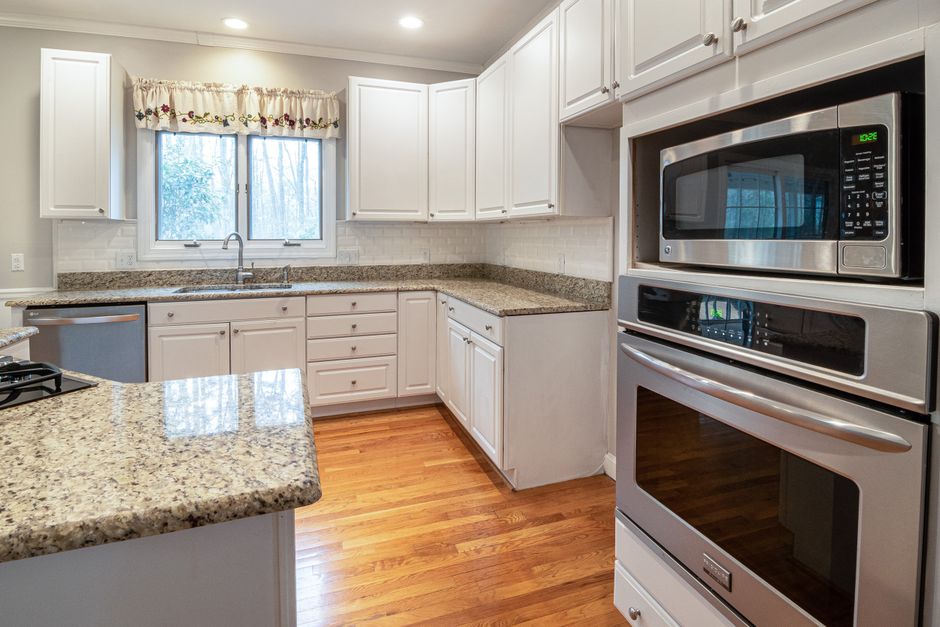
Two slabs that look identical on the shop floor can behave very differently once they are lifted onto cabinets that are out of true. The cracks seen on countertops in Knoxville, TN usually trace back to the support under the stone, not the stone itself, as the notes at countertops knoxville apaperproposal describe. Stone and quartz are strong in compression, yet they crack easily when they bridge a gap or rest on a few high points.
Uneven cabinets and twisted boxes
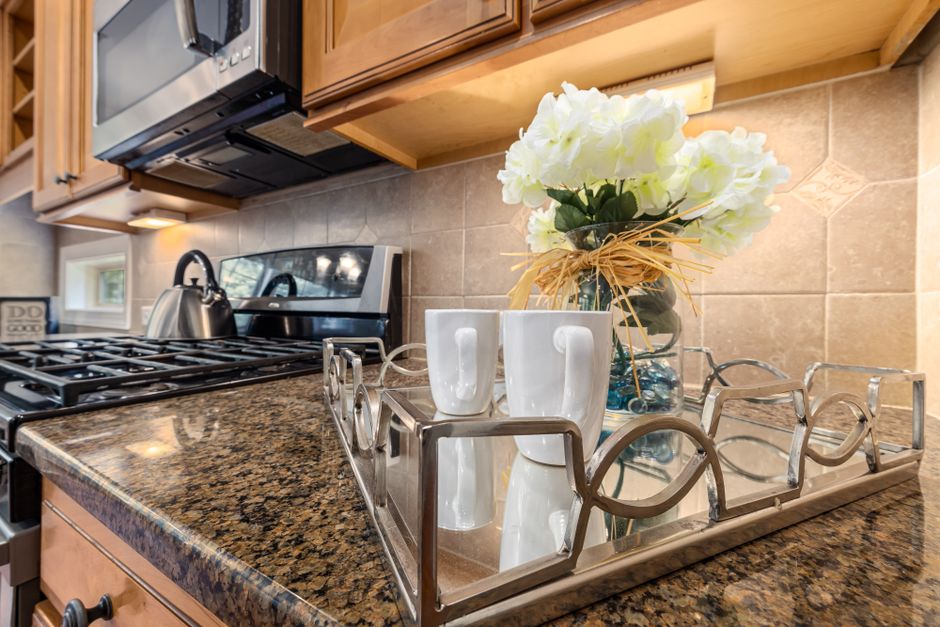
A cabinet run that is out of level or twisted puts a load into the slab that it was never meant to carry. The stress tends to show up near cutouts and at the seam. Before templating, a long straightedge and a level across the whole run will show the high and low spots. Shimming the boxes flat is cheap. Replacing a cracked granite or quartz top is not.
Soil movement under the floor
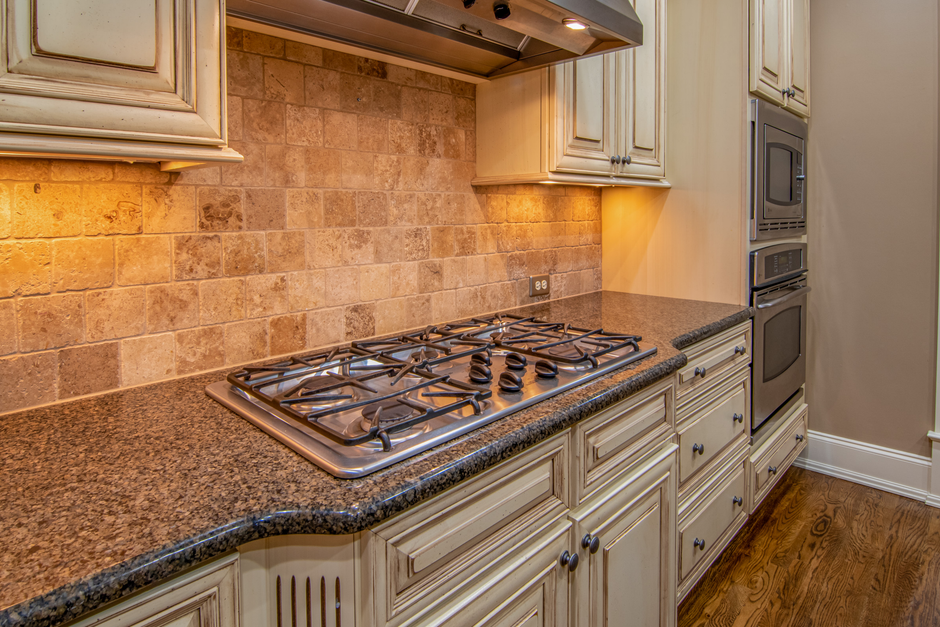
Clay soils common in East Tennessee can shrink when dry and swell when wet, and over the years that can move foundations and floors. Cabinets follow the floor. A run that was flat at install can rack a little after a wet spring or a dry summer. This is why a seam that slowly opens often points to cabinet movement rather than a failed adhesive. Re-gluing a moving seam only delays the next gap.
Older houses and settled floors
Many homes near Market Square and the University of Tennessee have sagging or settled floors. Those cabinets may need shimming or added support before a heavy top goes on. Soapstone, marble and thick quartzite all weigh enough that a weak box will bend under them over time. Check the cabinet frames and the floor beneath before the slab is cut.
Narrow strips and cutouts
The most fragile parts of any countertop are the narrow strips of stone in front of or behind a sink or cooktop. A rail an inch and a half wide with a large cutout has very little cross section left. Seam placement matters here. Keep seams away from the weakest strips where the layout allows, and round the inside corners of cutouts instead of leaving sharp square ones, because cracks start at sharp corners.
Overhangs and natural fissures
Stone cannot span any overhang without support. A seating overhang needs brackets, corbels, or hidden steel, depending on the material and the span. Thin porcelain and laminate over a weak substrate need even more care. Separate from all that, some granites carry hairline fissures that are natural to the stone. They are not the same as a structural crack and do not always lead to failure. A crack that runs from a cutout corner is a different matter and calls for a look at the support first. Even then, a crack does not always mean the whole top must be replaced, since some can be repaired once the cause is fixed.