Which Countertop Material Works Best in a Humid Climate
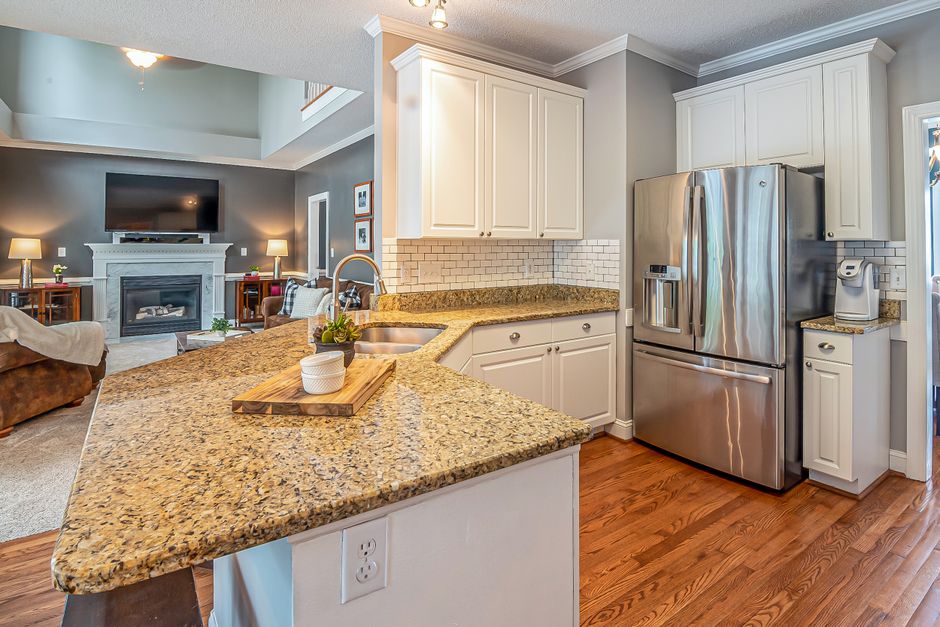
Most people pick a countertop from a showroom sample under bright lights and never ask how the surface fails in a working kitchen. Water, acid, heat and sun each break a different material, and countertops knoxville apaperproposal sorts the options by that failure in a Knoxville, TN house rather than by color.
Granite and sealing
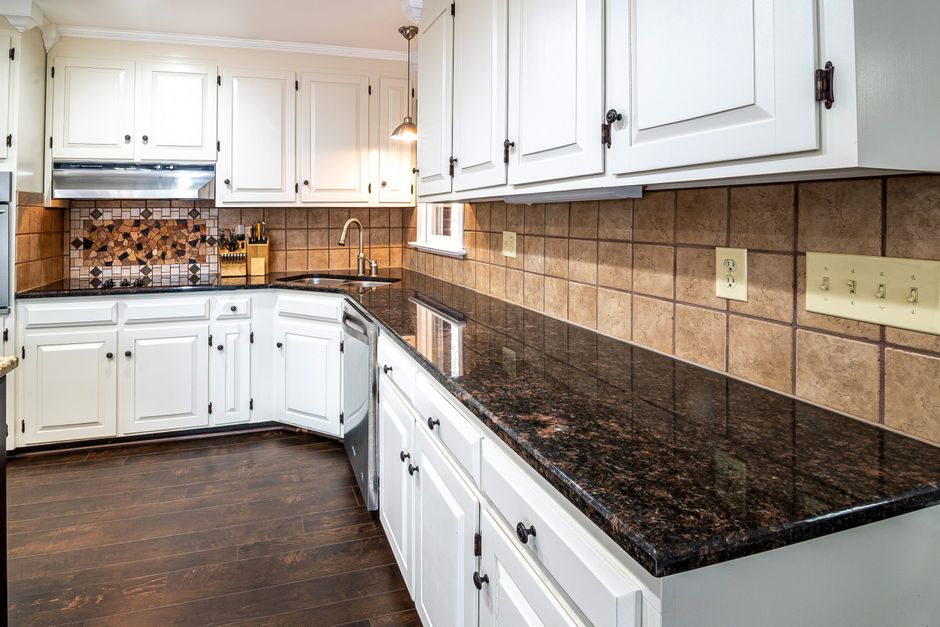
Granite is natural igneous stone, dense and tolerant of heat, but most varieties are somewhat porous. A penetrating sealer slows staining from oil and wine. It does not make the stone immune, and the sealer gets renewed over the years. Each slab should be looked at in daylight before it is cut, because pitting and veining vary within one lot.
Marble and acid
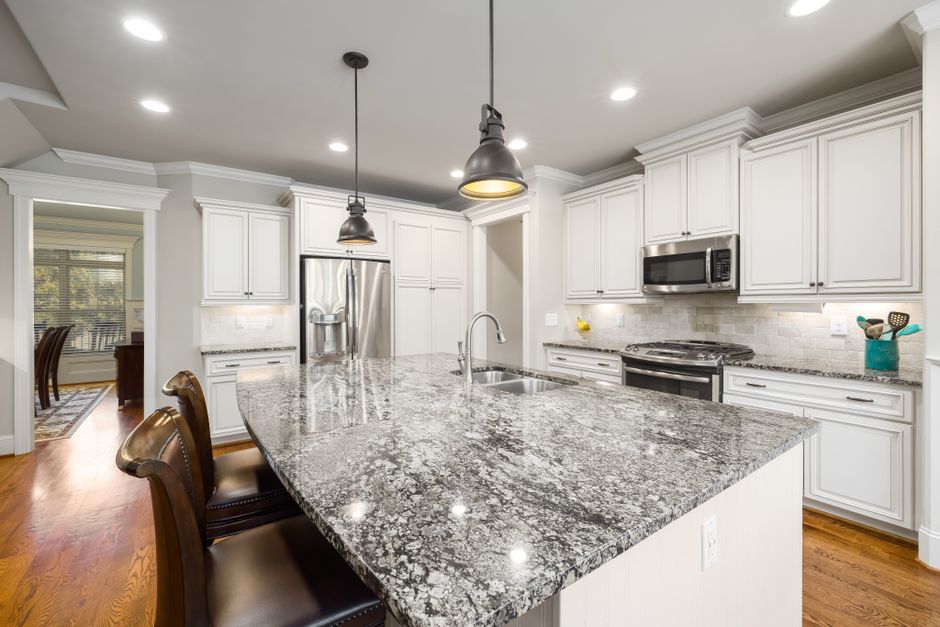
Marble is metamorphic stone made largely of calcite. Lemon juice, vinegar and wine etch the surface into dull patches. That does not rule it out of a kitchen, but it suits a household that accepts a worn finish. A honed face tends to show etching less than a polished one.
Quartz, heat and sun
Engineered quartz is crushed quartz bound with polymer resin. It is nonporous, so it needs no sealer for stains. The resin can scorch or discolor under very hot pans, so a trivet belongs beside the range. Some products also yellow or fade under prolonged direct sunlight, which matters next to a south window or a sliding door.
Laminate and solid surface
Laminate is a plastic surface bonded to a particleboard or MDF core. Water that reaches the core through a seam or an exposed edge makes it swell, so the sink cutout needs sealing before the sink goes in. Solid surface is acrylic or polyester that can be joined with nearly invisible seams, and light scratches can be sanded out. Both suit a tighter budget and an easy repair.
Butcher block and the seasons
Butcher block absorbs and releases moisture, so it expands and contracts with the long humid summers and the drier heated winters in the Knoxville area. Leave room at the wall and fasten the top so it can move. Wood needs regular oiling or a sealed finish, especially around sinks, where standing water darkens and softens the surface.
Decisions before templating
Edge profile, overhang and seam placement get settled before the template is made. An eased edge is the plainest to clean, a bullnose is softer on hips and elbows, and a waterfall edge needs extra slab and a careful grain match. A remnant can cover a small vanity or an island end for much less than a full slab.