How to Tell Good Countertop Work From Poor Work
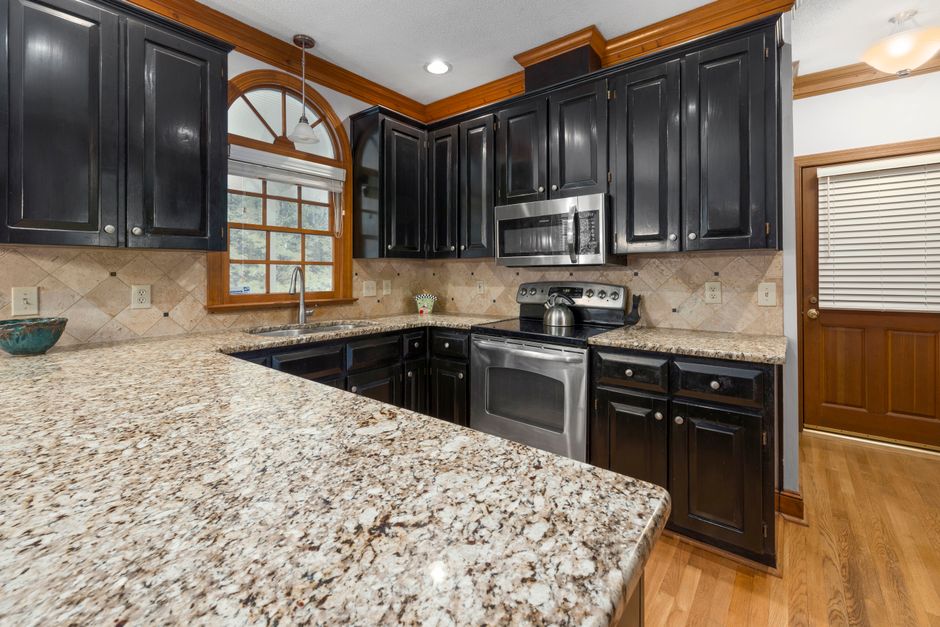
Three feet of seam on a ten foot run is enough to show whether a fabricator pays attention, and the notes kept at countertops knoxville apaperproposal begin with that kind of inspection. Any countertop in a Knoxville kitchen, from a house near the University of Tennessee to a condo off Market Square, can be judged with a level, a marble and a good look at the edges.
Seams
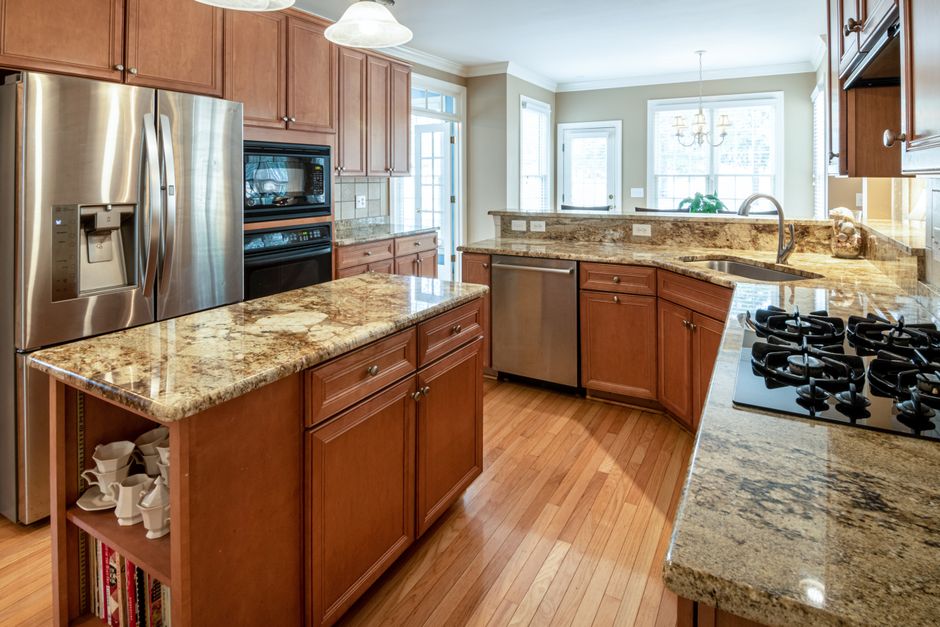
A well made seam is tight, flush on both sides, and filled with adhesive close in color to the stone. Run a fingernail across it. A lip means the two pieces were not set on the same plane. A visible seam is not automatically bad work, since long runs of granite or quartz often need one, but a wide, ragged or mismatched one tells you how the rest was done.
Seam placement and slab layout
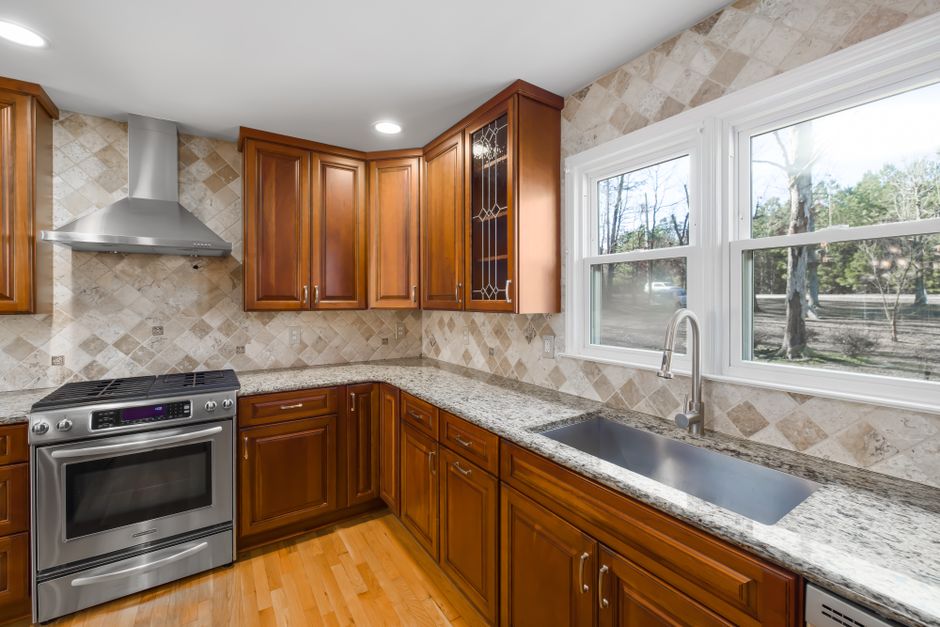
Ask how seam placement will be handled and ask to see the slab layout before anything is cut. Pattern and veining should flow logically across the joint when the slab allows it. This matters most on marble and quartzite, where the movement of the vein is the whole look. A layout drawn on paper or laid over a photo of the slab prevents the surprise of finding a joint in the middle of a showpiece run.
Flatness
Set a level across the surface and read it in both directions. It should read level front to back and side to side. A marble placed on the top should stay where you put it. Cabinets that are out of plane can be shimmed, and a good installer does that before the stone goes down rather than letting the top follow the error.
Edges and cutouts
An edge profile should be the same shape and the same polish along the full length, including at corners. Check an eased edge, a bullnose or a waterfall edge the same way, by running a hand along it and looking for flat spots or dull patches. Cutouts should have rounded inside corners, since sharp inside corners concentrate stress and invite cracks. An undermount sink should show an even reveal around the bowl, with a smooth, polished cutout edge.
Caulk and finish
Caulk lines at the wall and at the sink should be neat, continuous and free of gaps. This is the last thing done and the first thing that shows haste. Shine on the face is not proof that a stone has been sealed, and extra thickness is not proof of better quality, so judge the work by the joints, the edges and the flatness. Templating should be done once the cabinets are fixed in place, and the answers on seams and layout should be settled before that visit.